“From the first crashing chords of ‘Siva,’ every kid in the venue had the same look on their face: ‘I, too, have felt like a cat locked out in the rain, Billy Corgan! I live in Bilston! You have to wait forty-five minutes for the 79 bus! Thank you for writing a song that finally expresses how that feels!’”
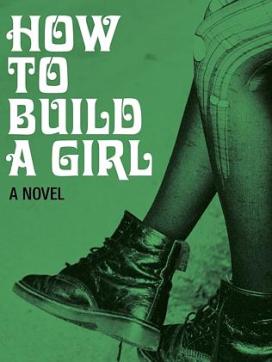
So Kitty Wilde, 1990s teenage rock critic, reviews Smashing Pumpkins in Caitlin Moran’s new novel, How to Build a Girl.
There is nothing so comforting and unnerving as finding yourself in the work and expressions of another. I am no more a famous sexy British Feminist from sub-working class Wolverhampton than an angsty grunge punk teenager is Joan Jett, Eddie Vedder or Winnie-the-Pooh. And yet, reading Moran’s books, there I find myself. In pop culture, in wherever we need the reassurance, there we all are, finding ourselves in others. We’re all, in some secret, crucial way, the lonesome cat locked out in the rain.
And then someone lets us in.
This is what I love about Moran’s writing. It lets you in. It’s funny in the way that syncs up your heart and your funny bone, and your deep abiding suspicion that a) the systems of the world are fucking harmful and a lot crazy, and b) you—little old you laughing your ass off and crying tears of self-realization and snarfing up the kitty-kibbles she’s served the soggy cat just in from the storm—can do something about it all just by being your sweet self, and refusing to be anybody’s fool.
Moran’s advice from her first book, How to Be a Woman, to stand on a chair and yell: “I am a strident Feminist!” Personally, reading her, I fist punch the air, drop the book to applaud with glee, call my sisters (my real, blood sisters are the only people with the patience to pretend to understand me when I am laughing this hard) to read the best bits out loud, and generally go about my business with a rebellious, confident grin on my face and a growing inability to tolerate any of the bullshit that elevates one human over another in an unequal power dynamic.
That is what Feminism is in my book: the joyous take down of hierarchies based on chromosomes, personal anatomy, and/or sexual identity. Anything that makes a person feel small and sad and lonely and that they don’t have an equal place and an equal voice and equal pay and an equal right to being happy because of their gender, this is what I’m out to dismantle. We need to bring the cats in from the rain, not continue to chuck them out and lose the key under conveniently entrenched piles of Patriarchy and Capitalism. And, deeply, I want men to be happy and afforded equal rights and opportunities and limitless expectations of who and how they are in the world. In many ways, dudes have as much cultural repression on their minds and bodies as ladies do, and I hate the entire violently rigid system for denying so much to so many.
Anytime I find the subversively joyful attitude of common sense outside my own heart and circle of loved ones, it is like being hit with a thousand pound block of dynamite, hope, and fairy dust. Or, if you rather, like when Narnia starts to come out of the White Witch’s grip and everyone whispers that: “Aslan is on the move!” and feels a relief and anticipation all at once.
 The less we believe in and accept the status quo, the faster it will all change. The more we call bullshit on bullshit—even and especially the sneaky kind—the better for everyone. Rebecca Mead’s New Yorker profile on Cambridge classics professor Mary Beard this summer was another load of fairy-dust and substantive hope. Beard is a brilliant scholar who gets aggressively violent online comments, fairly frequently about how she is too old and too ugly to be an authority on anything. Oh, yes, and also much too female. As she says, “If you venture into traditional male territory, the abuse comes anyway. It’s not what you say that prompts it—it is that fact that you are saying it.”
And so Beard just keeps talking—and in doing so is effectively standing on a chair, laughing, and broadcasting herself as a strident, kickass Feminist. Huzzah! Another light for us all to follow! She calls out the trolls, makes them human, publicizes their follies, and draws attention to the fact that violence—even anonymous, online, typed “I was just joking” types of threats of violence—against women is still very much a thing in society.
That someone with power and a voice is using it for good, that Beard is not saying—“I am a brilliant and famous academic, I cannot be bothered to dignify violent misogyny in online comments with a response”—but rather, waging into this disturbing vanguard of our culture, throwing her authority behind it and saying “No.”
It’s like Gandalf with the Balrog. You shall not pass.
Which is what we need. Moran writes: “Feminism is too important to be discussed only by academics.” Certainly, we need to voices—the Gandalfs and Aslans and Morans and Beards and Goldmans and Friedans and Steinems and Clintons and Beyoncés and Trainors and Watsons and Dunhams and Pohlers all the others whose words and deeds resonate in our souls, who wake us up to realize we are far from alone in this adventure.
Which is great! It’s so much more fun to make the world better when it’s more of us laughing at and actively disbelieving the bullshit of the Patriarchy. I dislike the unkind vandalism of actually smashing pumpkins—that was some little kid’s jack-o-lantern—so I won’t make the most obvious ending from my start. We don’t need to smash the unjust systems of the world like so many pumpkins and us so many teenage punks roving the streets on Halloween. Instead, we need to grow new out of the composted decay of the old, with the patience and delight of rockstars, farmers, and Feminists.
Bethany Taylor lives in New England, blogs and blogs at Granite Bunny and Hothouse Magazine, works as a farmer and a librarian, and generally tries to have a good time saving the world and writing about it.
