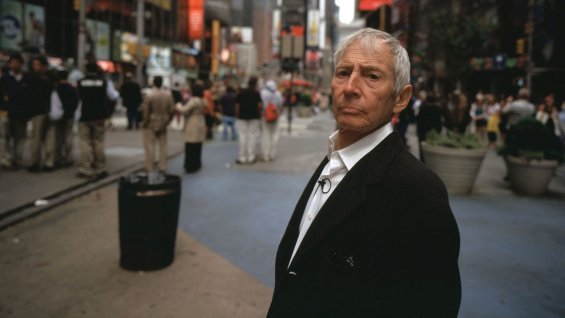
HBO’s The Jinx ended on Sunday. But I didn’t watch the finale. I was a few episodes behind.
The documentary, which tells the story of Robert Durst and the alleged murders of his wife, friend, and neighbor—murders that he got away with—is fantastic. It’s basically what we all, for one glorious moment, hoped Serial might be: a true crime story plotted like a murder mystery, right down to the killer twist ending.
There’s only one problem. Since it’s based on real events, The Jinx isn’t just entertainment. It’s journalism, too. And that, presumably, is why the New York Times decided to very publicly spoil the series moments after the finale on Sunday.
I won’t spoil the series by telling you exactly what happened, or what the New York Times said. Suffice it to say that the gray lady gave away one of the best documentary endings of all time in a tweet that their millions of followers had no choice but to read, and in a headline that briefly showed up at the top of Google’s search results for “Robert Durst.”
Not cool.
But is it really acceptable to be angry with the New York Times for spoiling a documentary? This isn’t entertainment, after all; it’s real life. Durst’s alleged victims were real people who were really murdered by someone—they each have family, friends, people who love them. The Times could reasonably argue that by giving away the ending to the TV series, they were in fact serving the public interest.
The issue of spoilers is complicated enough without adding journalistic ethics to the mix, but for now I’m coming down against the Times—yes, it is possible to spoil a documentary, and doing so is not OK. It’s not fair to the audience, nor is it fair to director Andrew Jarecki and the other makers of The Jinx, who crafted the six-part series with impeccable artistry and forethought to be a riveting, engrossing, and ultimately shocking experience.

Pingback: “I need fresh blood”: The Jinx and the cost of art | The Stake